
Industries
Sectors where operations cannot simply stop.
The organizations VECTOR is built to support share one trait: their essential operations depend on facilities, infrastructure, and coordinated decisions. These descriptions reflect the work VECTOR is structured to deliver in each sector, not a list of past engagements.
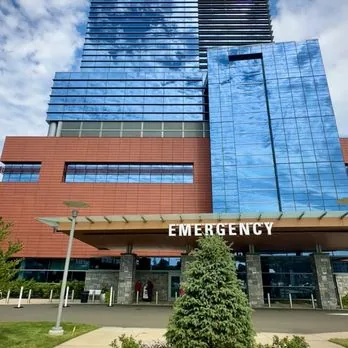
Healthcare
Continuity of care depends on everything behind it.
Hospitals and healthcare facilities run on tightly coupled infrastructure: power, medical gases, water, IT, communications, and supply chains. A disruption to any one can affect patient care within minutes.
Typical concerns
- Infrastructure and utility dependencies
- Clinical operations during system downtime
- Emergency preparedness program requirements
- Coordination with outside responders
Where VECTOR helps
- Operational resilience assessments
- Dependency analysis for essential services
- Downtime procedures and continuity planning
- Tabletop exercises and after-action reporting
- Facility readiness and response information
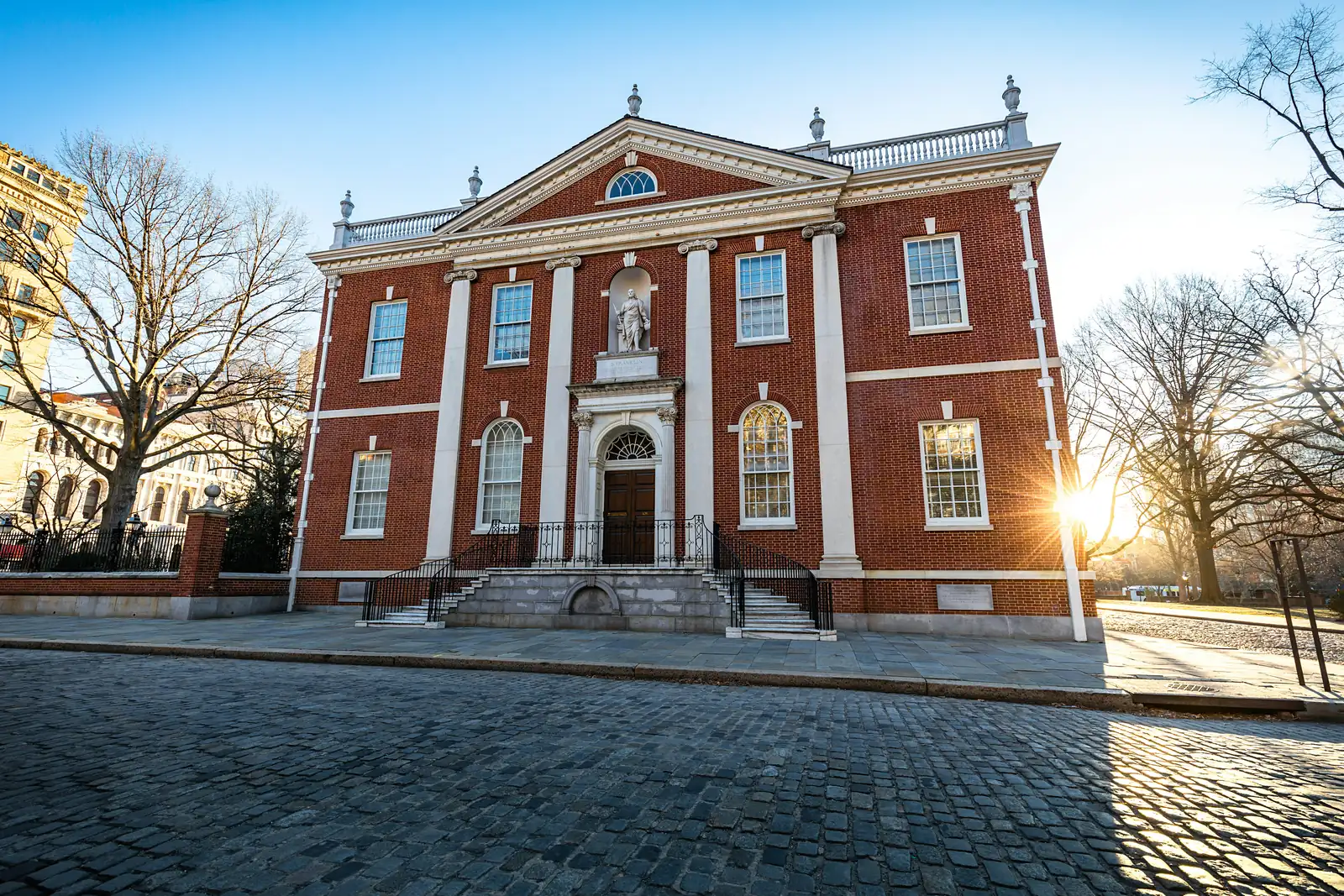
Municipalities & Public Agencies
Public facilities, public expectations.
Municipal information accumulates department by department. Public works, schools, fire, and emergency management each hold part of the picture, rarely in the same format.
Typical concerns
- Pre-incident planning across town-owned buildings
- Emergency readiness and continuity of government
- Response coordination between departments and agencies
- Operational information spread across systems
Where VECTOR helps
- Facility information collection and pre-planning
- Data standardization in existing platforms
- Emergency plan review and exercises
- Continuity planning for essential public services
- Annual verification programs
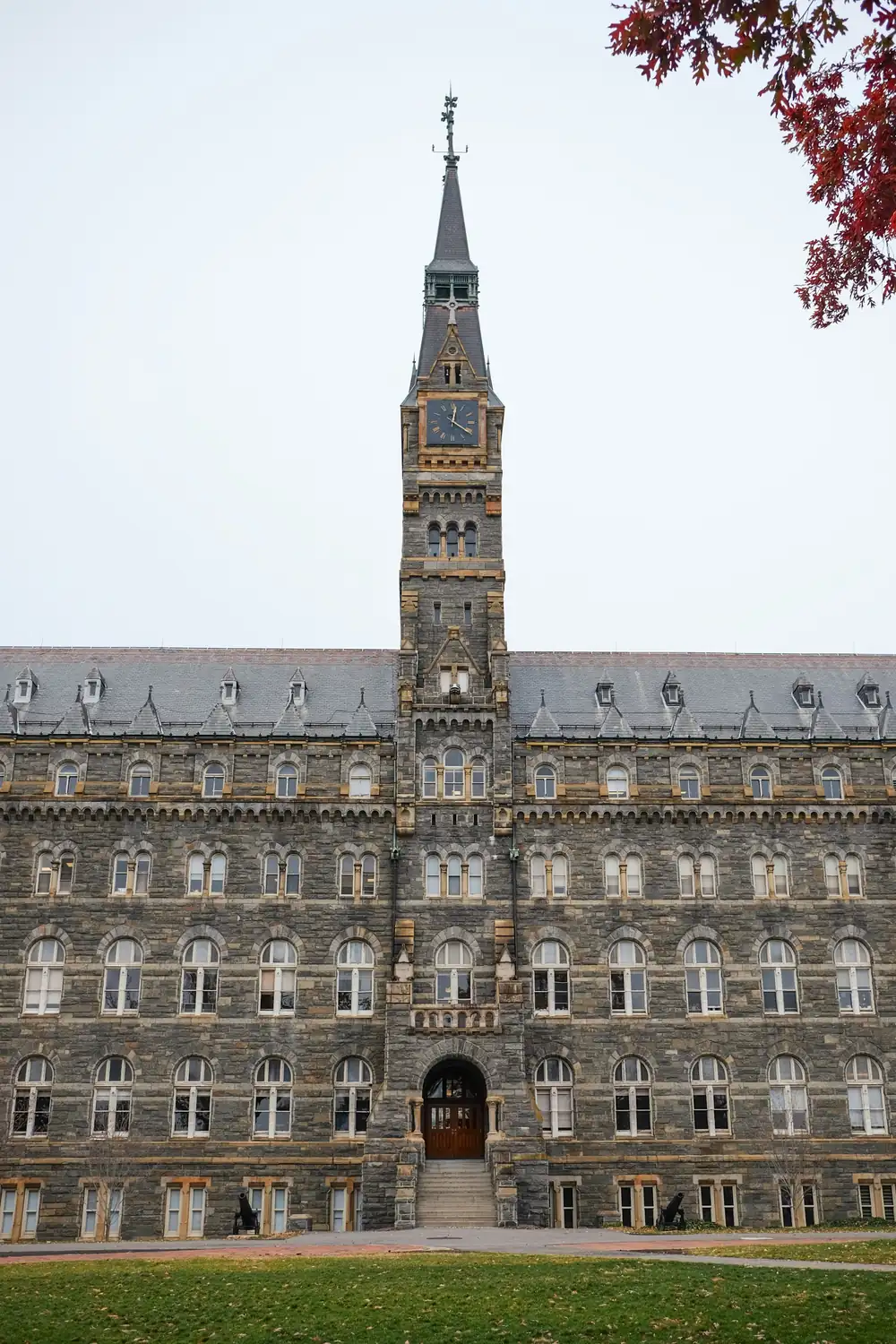
Education & Institutional Facilities
Campuses are small cities.
Schools, colleges, and institutions operate many buildings, mixed occupancies, and shared infrastructure, with a population that changes every term.
Typical concerns
- Campus preparedness and emergency information
- Shared utility and facility dependencies
- Continuity of instruction and operations
- Coordination with local responders
Where VECTOR helps
- Campus-wide dependency analysis
- Continuity and emergency plan development
- Facility information for responders
- Tabletop exercises for leadership teams
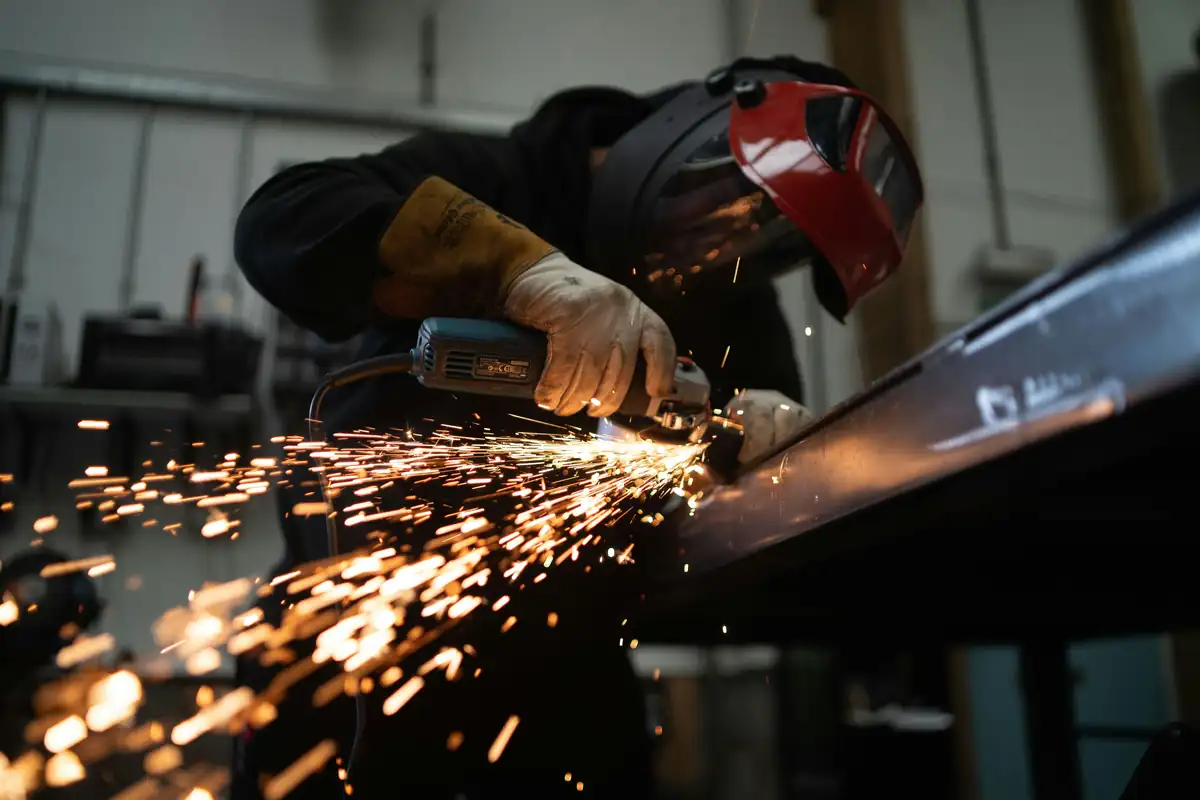
Commercial Property & Critical Facilities
Operations that run around the clock.
Commercial buildings, manufacturing sites, and critical facilities depend on building systems and utilities that most occupants never see until they fail.
Typical concerns
- Building system and utility dependencies
- Tenant and occupant coordination
- Hazardous processes and materials
- Information available to responders
Where VECTOR helps
- Critical infrastructure documentation
- Pre-incident planning and response information
- Operational risk and vulnerability analysis
- Continuity planning for key operations

Commercial & Corporate Organizations
Keeping the business running.
For corporate organizations, disruption shows up as stalled functions, unavailable people, unreachable systems, and leaders without the information to decide.
Typical concerns
- Critical business functions and recovery priorities
- Personnel availability and key-person risk
- Technology and supplier dependencies
- Leadership decision-making under pressure
Where VECTOR helps
- Business impact analysis
- Business continuity planning
- Crisis preparedness for leadership
- Exercises and executive risk briefings
Next step
Discuss your sector's operational risks.
An introductory conversation is held directly with VECTOR's principal consultant. We will talk through what you operate, what concerns you, and whether VECTOR is the right fit for the work.